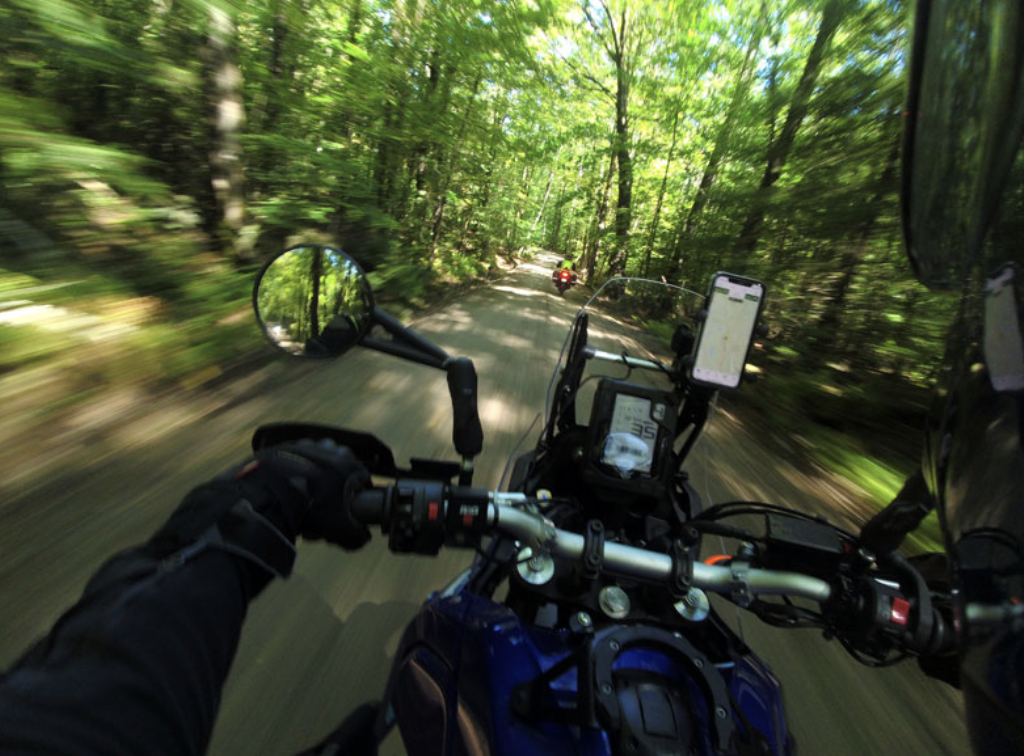
The Jiu Gorge: The Road That Always Led Home
There are roads you ride because they're famous. There are roads you ride because they're challenging. And then there are roads that become part of who you are.
For me, the Jiu Gorge is that road.
Every summer holiday, after weeks of exploring Romania with family, the final stretch always led south through the Jiu Valley. It was the road home. The moment when the excitement of the journey slowly blended into familiarity. The mountains seemed friendlier, the curves more predictable, and the smell of the forests somehow different because we knew we were almost there.
Back then, the road was far from perfect.
Anyone who travelled through the gorge twenty years ago will remember the endless roadworks, temporary traffic lights, gravel sections and heavy trucks. Progress moved slowly through the valley. Sometimes what should have been a scenic mountain drive became an exercise in patience. Yet even then, the landscape always made up for it.
The Jiu River cuts through one of Romania's most spectacular mountain corridors, carving its way between the Parâng Mountains to the east and the Vâlcan Mountains to the west. Towering cliffs rise directly from the roadside. Dense forests cover the slopes. In the early morning, mist often hangs above the water, creating a scene that feels more like the Alps than the Balkans.
Today, the road is transformed.
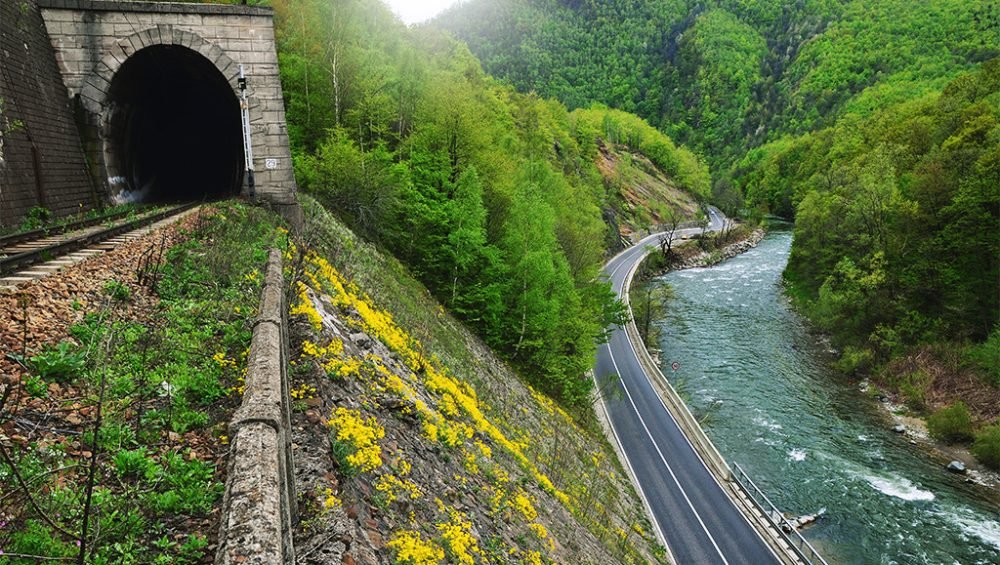
For many riders, this is simply another road crossed on the way to somewhere else.
For me, it never will be.
Every bend carries memories of family trips, old cars packed with luggage, summer storms rolling over the peaks, and that unmistakable feeling of knowing home was getting closer.
Riding it today on a modern adventure motorcycle only deepened that connection.
The road has changed. The surface is better. The traffic moves differently. The machinery is more advanced. Yet the essence remains exactly the same.
The Jiu Gorge is still a place where Romania reveals its quieter beauty.
Not through dramatic hairpins or record-breaking elevations, but through something more lasting. Through forests, rivers, mountains, history and the simple pleasure of a road that feels alive beneath your wheels.
As the Tenere carried me south toward Runcu and eventually home, I found myself slowing down rather than speeding up.
Because some roads aren't meant to be conquered.
They're meant to be remembered.
And the Jiu Gorge remains one of Romania's finest roads for doing exactly that.
The pavement is smooth, the infrastructure modernized, and the drive flows naturally from one corner to the next. What was once a difficult transit route has become one of the most enjoyable motorcycle roads in the country. It may not have the worldwide fame of the Transfăgărășan or the endless elevation changes of the Transalpina, but that is precisely its charm.
The Jiu Gorge remains authentic.
It is a road that locals still use. A road where forests outnumber souvenir stalls. A road where nature remains the main attraction.
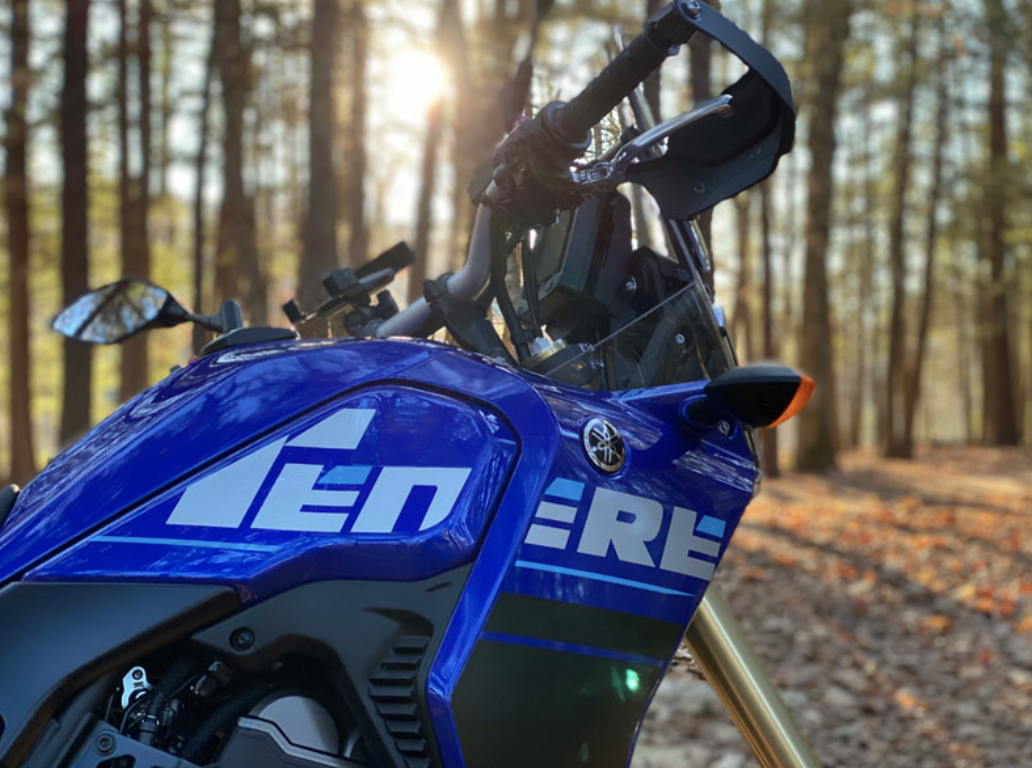
This time, I returned aboard one of the most anticipated adventure motorcycles of recent years: the new Yamaha Tenere 700.
The bike felt perfectly at home here.
Adventure motorcycles are often judged by their performance on gravel roads and remote trails, but roads like the Jiu Gorge reveal their true versatility. The Tenere's upright riding position provided an excellent view through the sweeping bends, while its responsive parallel-twin engine delivered smooth power whenever the road opened up.
The rhythm of the gorge suits the bike beautifully.
Long flowing corners lead into tighter sections. Short straights invite quick acceleration before another series of bends appears around the mountainside. The Tenere felt light and precise, encouraging confidence without demanding aggression.
Where a sport bike might tempt you to chase speed, the adventure bike encourages you to absorb the surroundings.
And there is plenty to absorb.
Along the route, the river remains your constant companion. In some places it rushes violently through narrow rock formations. In others it slows, reflecting the surrounding forests like a mirror. Small villages appear unexpectedly between the trees before disappearing again behind the mountains.
One of my favourite places to stop remains the area around Bumbești-Jiu. Here the landscape begins to open up slightly, providing occasional viewpoints where riders can pause and appreciate the scale of the valley. It's also a reminder of the region's industrial and railway history. Hidden among the forests are engineering achievements that once connected northern and southern Romania through terrain many considered impossible to conquer.
Further south, the atmosphere gradually changes.
The mountains begin to relax their grip on the valley. The road widens. The forests become less dense. The feeling shifts from adventure to arrival.